
Knowing the Exact Moment Roots Are About to Break Through Peat Cubes
By Sticky Genetics
Successful propagation isn’t about luck—it’s about reading the plant. When working with peat cubes, there’s a very specific window where your clone or seedling is just about to send roots through the medium. Catching this moment allows you to up-pot or transplant at peak vigor, minimizing stress and maximizing early growth momentum.
This guide breaks down how to recognize that exact pre-emergence stage, what’s happening biologically, and how to act on it.
What’s Really Happening Inside the Peat Cube
Before roots ever become visible, the plant is already preparing for expansion. The key action happens at the meristematic transition zone—the point where the stem shifts into true plant base and root tissue begins to dominate.
At this stage:
The root meristem is actively dividing
Multiple root initials are forming simultaneously
The plant is allocating energy away from leaf expansion and into underground growth
Even if you don’t see roots yet, they are often only millimeters away from penetrating the cube.
The Telltale Sign: Meristem Swell at the Cube Surface
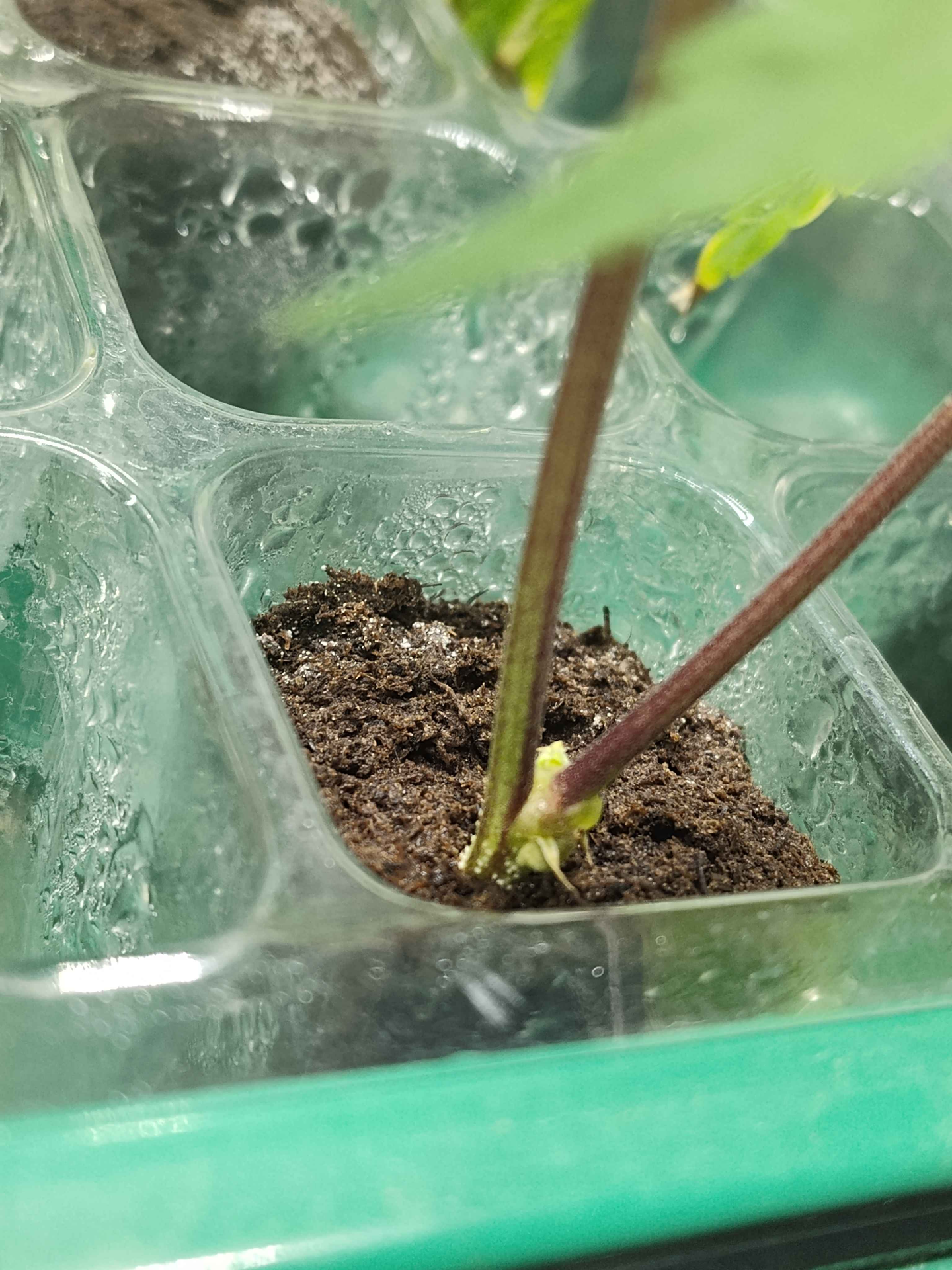
The most reliable indicator that roots are about to emerge is a noticeable swelling at the base of the stem, right where it meets the peat cube.
Look closely for:
A thickening or bulging at the stem-to-cube interface
Slight lifting or cracking of the peat fibers around the entry point
A firmer, more anchored feel when the plant is gently nudged
This swelling occurs because the plant is producing many root shoots at once. They stack and press outward before any single root breaks free of the medium.
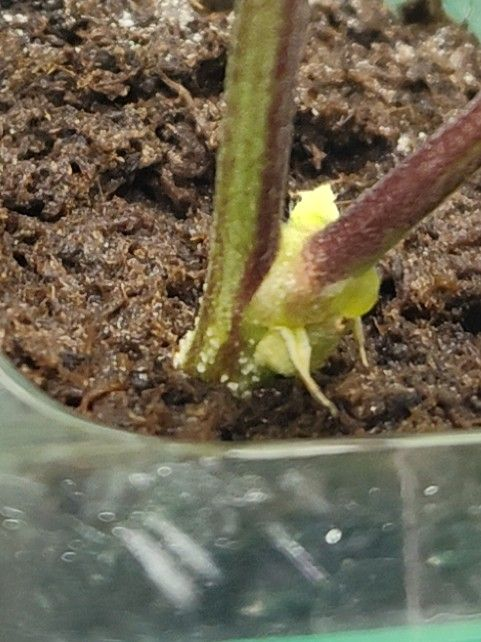
If roots are not yet visible, they are not absent—they are simply just short of exit.
Visual and Structural Clues to Watch For
Beyond the meristem swell, several secondary signs confirm you’re in the pre-penetration window:
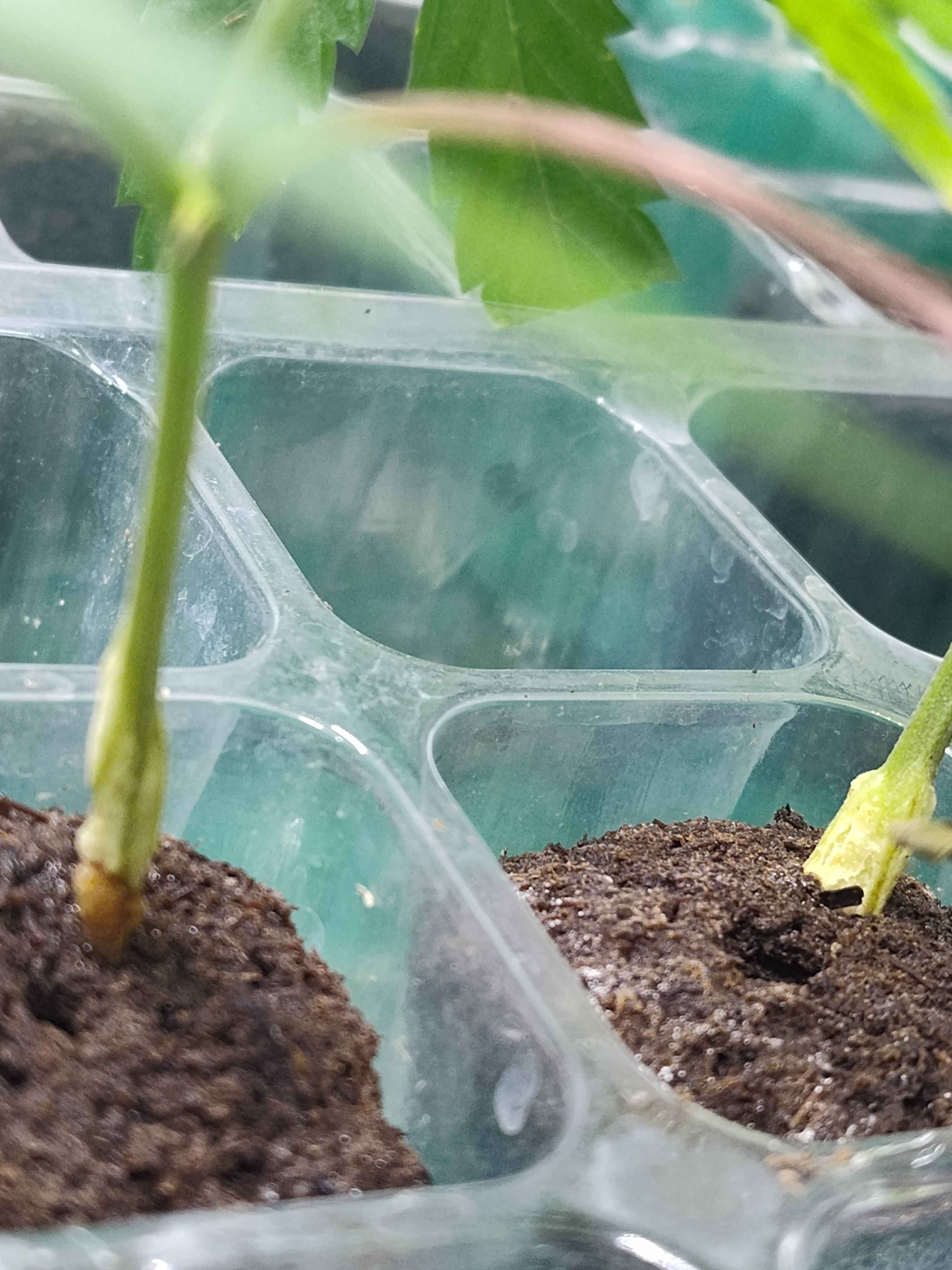
1. Increased Stem Rigidity
The plant suddenly supports itself better. This is due to internal root mass increasing resistance and anchoring power.
2. Slower Top Growth (Briefly)
Leaf expansion may pause or slow for a day. This is normal—energy is being redirected to root development.
3. Moisture Usage Changes
Peat cubes begin drying slightly faster as the root network expands internally, even before roots exit.
4. Uniform Health Without Stretching
The plant looks “set” rather than reaching—an indication it’s preparing for a stable root foundation.
Why This Moment Matters
Identifying this pre-emergence stage is about timing the next steps correctly, not rushing the transplant.
While the plant is clearly preparing for expansion, vigorous top growth alone is not the signal to transplant. In practice, once this vigor appears, experienced growers allow the roots to continue developing until they reach the bottom of the peat cube.
This ensures:
Full internal colonization of the cube
A dense, unified root mass rather than surface-only roots
Immediate and explosive takeoff once transplanted
Transplanting too early—before roots have fully occupied the peat—can slow establishment rather than accelerate it.
The goal is not the first sign of vigor, but complete root readiness.
What to Do During This Window
Once you observe the meristem swell and the onset of vigorous growth:
Allow roots to continue growing until they contact the bottom of the peat cube
Monitor moisture use—fully rooted cubes will dry more evenly and predictably
Avoid overhandling; let the root system finish its internal development
Prepare your next medium in advance
When roots have reached the base of the cube, transplanting provides instant development and takeoff, especially when paired with proper root-boosting inputs such as mycorrhizal inoculants.
With the right conditions and biological support, the plant transitions seamlessly, redirecting its established root energy into rapid colonization of the new medium.
Final Takeaway from Sticky Genetics
The exact moment roots are about to penetrate a peat cube is marked not by what you see outside the medium—but by what the plant signals at its base.
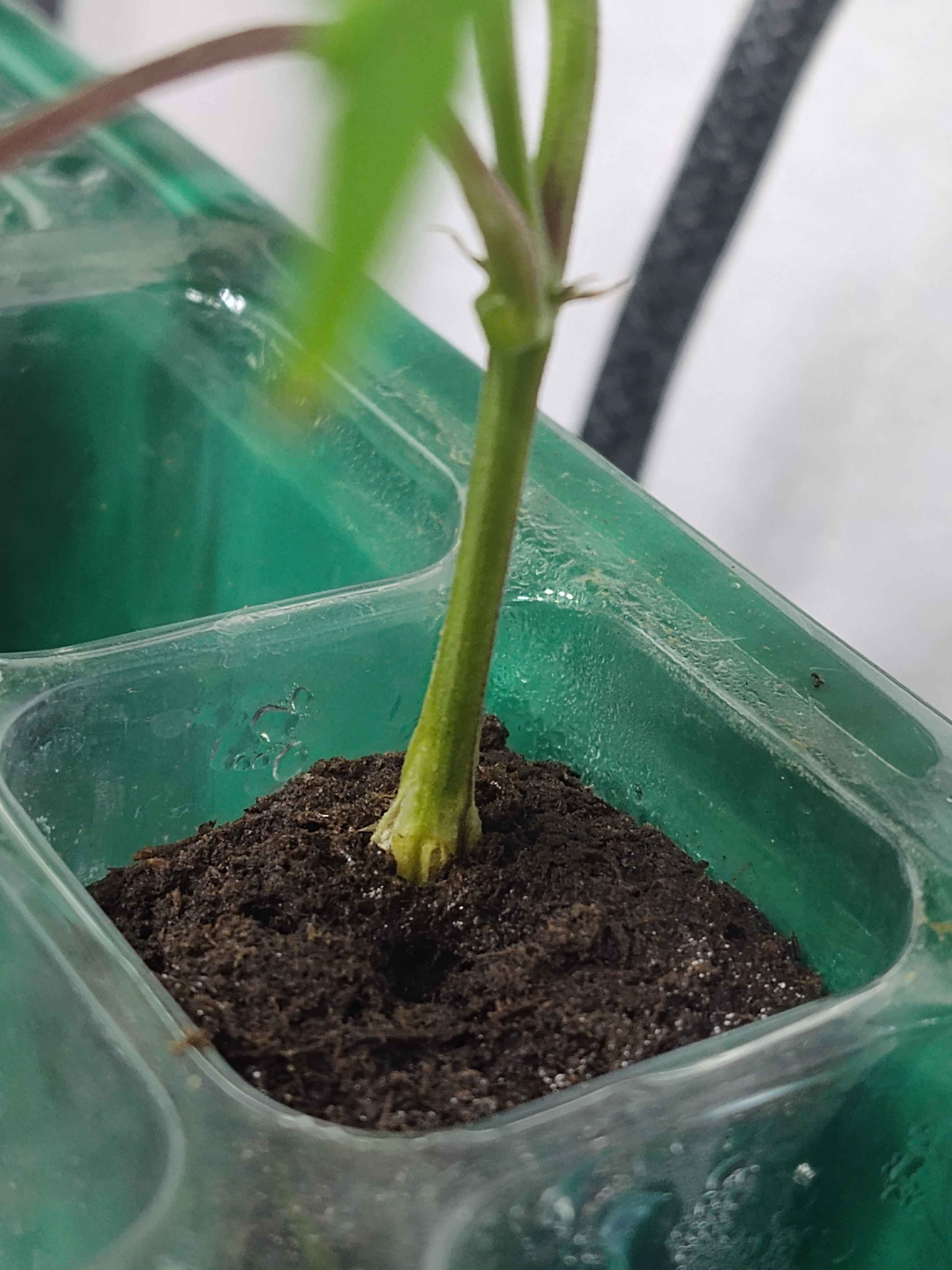
A swollen meristem, firm structure, and subtle behavioral shifts tell you everything you need to know. Mastering this observation separates routine propagation from elite-level consistency.
Read the plant, not the clock.
— Hempfest