
Feeding the Clock: Light Cycles, Root Signals, and Why Your Cannabis Mothers Eat More Than You Think
When it comes to cannabis plant mothering and long-term vegetative health, one of the most misunderstood factors isn’t nutrients, genetics, or even medium choice—it’s time under light.
Light isn’t just energy.
Light is a signal, and how long a plant receives it directly dictates how much it eats, how often it eats, and why it eats.
Let’s break down what’s really happening inside a vegetative cannabis plant, and why under certain conditions your plants are consuming far more nutrients than most people realize—just not all at once.
Long Light Periods = No Rest = Higher Demand
In vegetative growth, cannabis is traditionally kept under long-day lighting schedules—18/6, 20/4, or even 24/0. For mother plants especially, many growers lean toward 24 hours of light to maximize cutting production and keep plants locked in veg.
Here’s the key reality:
The longer the plant is exposed to light, the longer it is metabolically active.
When you give a plant no dark period, you give it:
No hormonal “night cycle” slowdown
No metabolic rest phase
No reduced transpiration window
Instead, the plant remains in a constant state of uptake, respiration, and growth signaling.
Under 24 hours of light, a cannabis plant will:
Transpire more
Photosynthesize longer
Move nutrients more frequently
Eat more—period
This doesn’t mean dumping more food into the medium all at once. It means the plant is requesting resources more often because it never turns the engine off.
Eating More… But Not All at Once
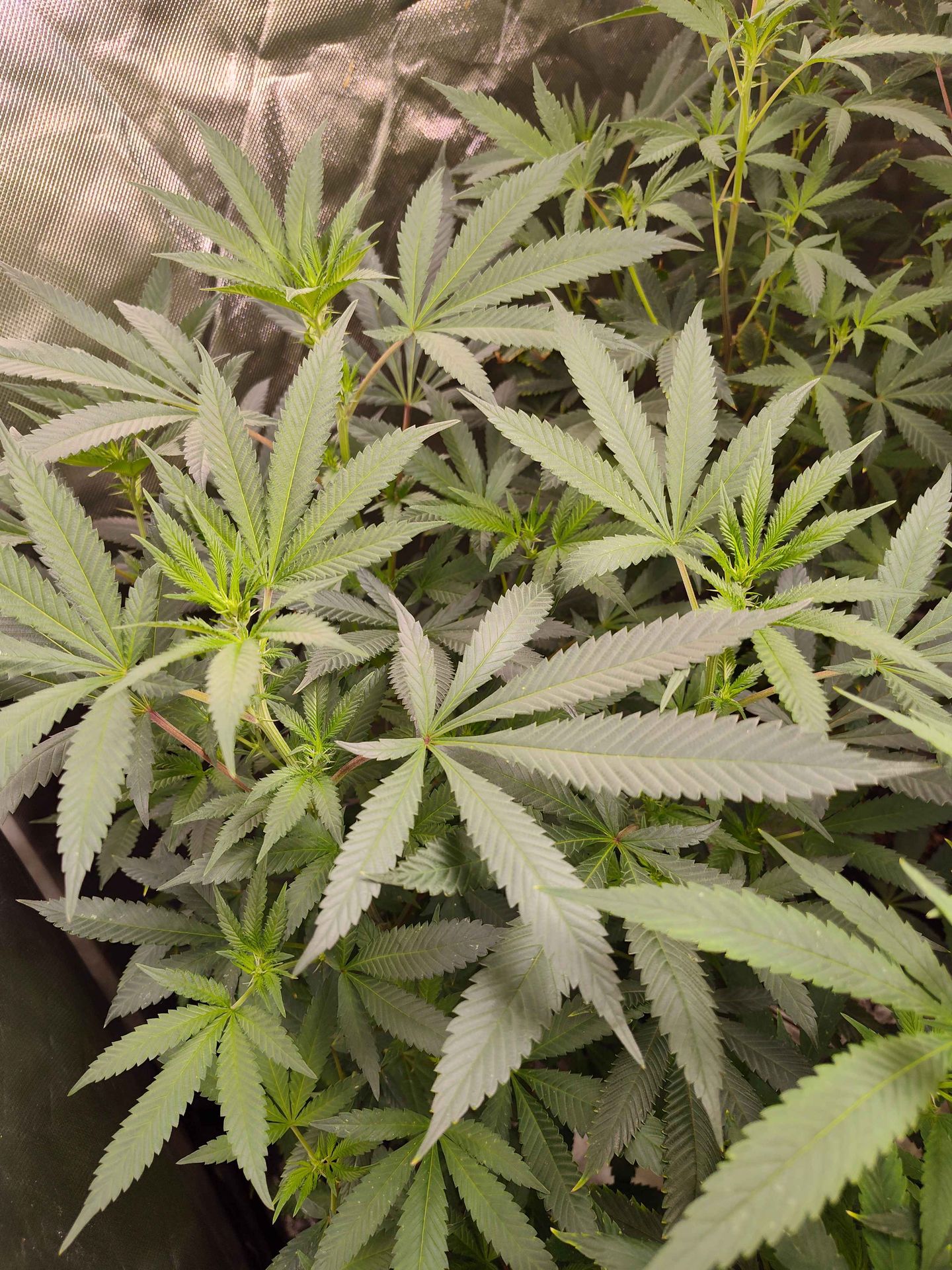
One of the biggest mistakes growers make is assuming high-demand plants need heavier feedings.
In reality, under high-light or long-light conditions, cannabis prefers:
More frequent access to nutrients
Stable availability
Controlled intensity
Think of it like grazing—not binge eating.
Under continuous or extended light, the plant is constantly pulling small amounts of:
Nitrogen
Calcium
Magnesium
Micronutrients
Water
This is why many mother plants show deficiencies despite being “fed enough”—the timing and frequency simply don’t match the plant’s metabolic rhythm.
Using Light Intensity as a Feeding Tool (Not a Hammer)
Advanced growers know that light intensity and feeding go hand in hand.
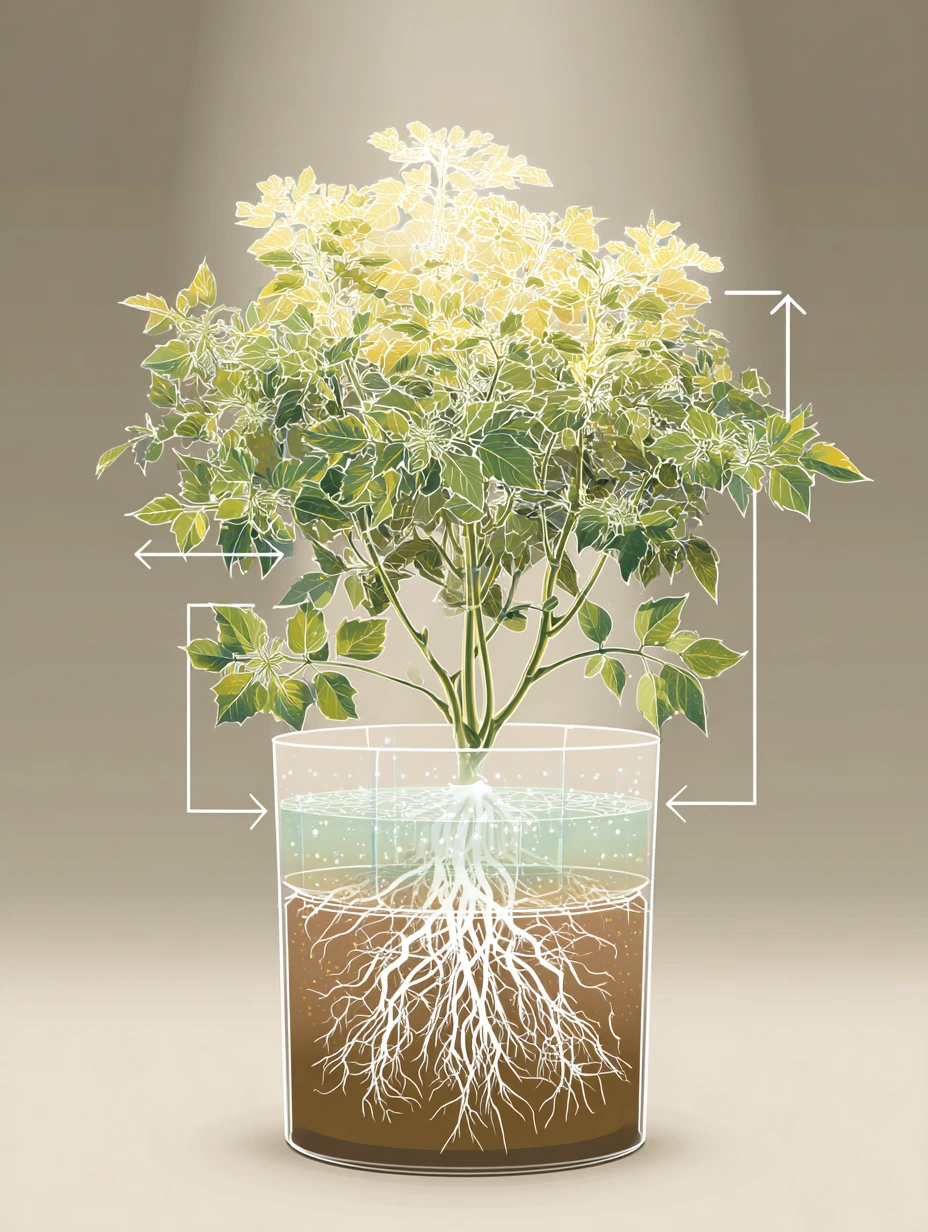
A useful strategy—especially during heavy feeding or watering cycles—is to avoid spiking PPFD at the same time nutrients are most abundant.
Why?
High light intensity + wet medium + high EC =
➡️ Rapid uptake
➡️ Resource burn-through
➡️ Faster dry-backs
➡️ Shorter feeding windows
Instead, many growers intentionally:
Slightly reduce PPFD during peak moisture
Allow the medium to dry a bit more
Let the plant “hunt” for remaining resources
This creates a controlled fluctuation—what we like to call “riding the line of happiness.”
The plant:
Eats what’s immediately available
Taps stored nutrients
Slows just enough to prevent waste
Then ramps back up as conditions improve
This mimics natural environmental rhythms and helps stretch time between waterings and feedings without stressing the plant.
Mimicking Nature: Controlled Stress, Not Starvation
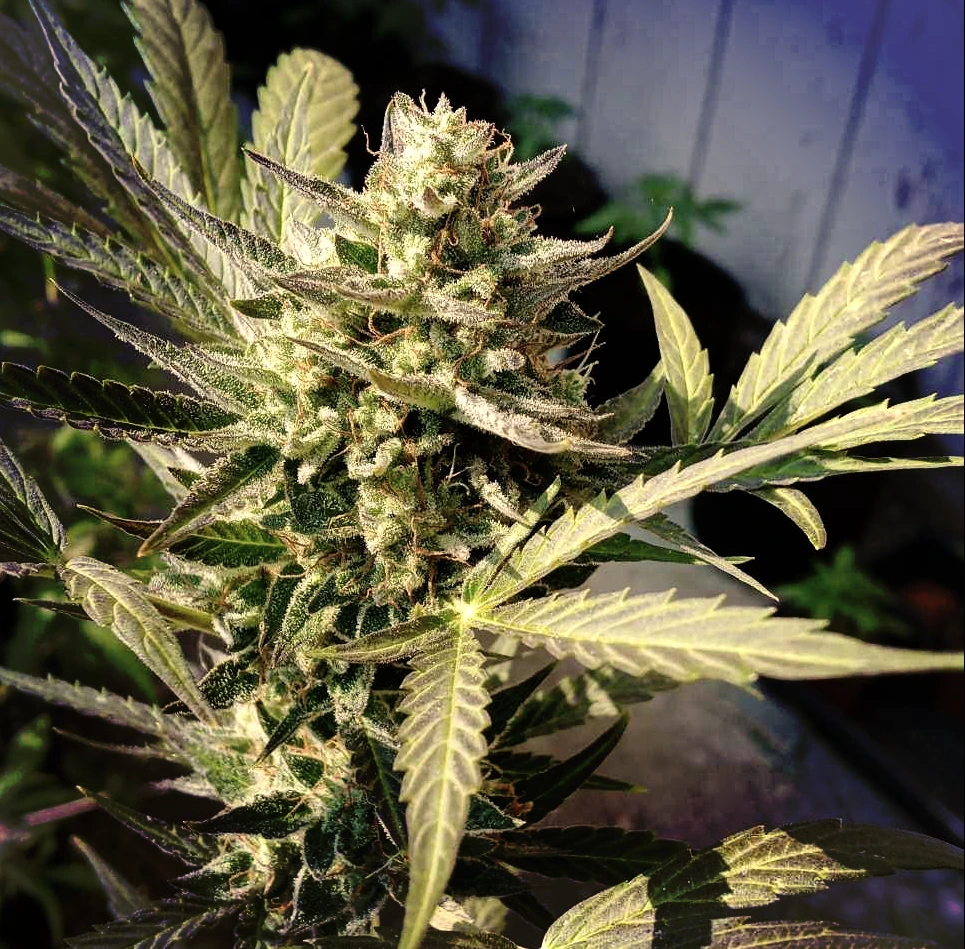
In nature, plants don’t experience:
Constant saturation (Depending on climate)
Perfectly even nutrient availability
Static environmental conditions
By allowing slight dry-backs and adjusting light intensity accordingly, you encourage:
Stronger root signaling
More efficient nutrient use
Healthier long-term growth patterns
This is especially important for mother plants, which are asked to perform continuously without ever entering flower.
When Root Bound, Everything Changes
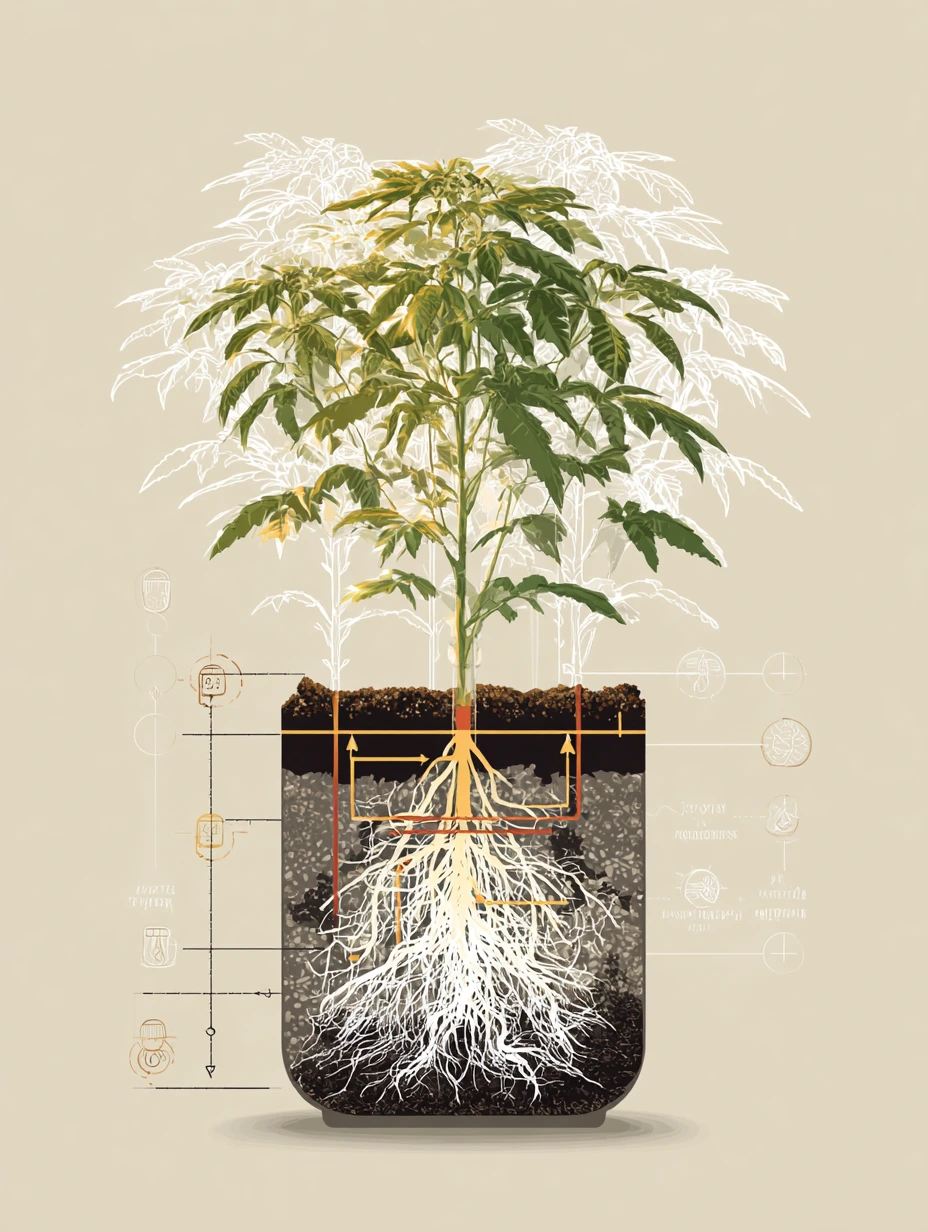
Now let’s talk about a scenario where all of these rules matter even more:
Root-bound plants.
This is extremely common in:
Mother plants
Plants held in veg long-term
Plants being prepared for a flip to flower
When roots hit the edges of the pot and have nowhere else to expand, they begin sending hormonal signals—primarily cytokinins and other stress-related messengers—that tell the plant:
“We’re out of room. We need more resources. Prepare for the next phase.”
The plant responds by:
Increasing nutrient uptake demand
Raising overall metabolic activity
Acting noticeably “hungrier”
Why This Happens
As cannabis matures toward flowering, the plant knows that its priorities are about to change.
During flower:
Energy is redirected away from vegetative growth
Immune function naturally weakens
The plant becomes more susceptible to pathogens and stress
Nutrient uptake efficiency can decline or even stall
Because of this, the plant attempts to stockpile resources early, while it still has strong root-driven uptake and immune function.
So when a plant becomes root bound, it isn’t just stressed—it’s preparing.
It’s saying:
“We won’t have this level of uptake later.”
“We need reserves now.”
“Let’s eat while we still can.”
This is why root-bound mother plants and pre-flip plants often:
Dry out faster
Demand nutrients more frequently
Show deficiencies quickly
Appear impossible to keep fully satisfied
The plant isn’t asking for more food at once—it’s asking for more frequent access before its internal systems shift and slow.
The Unspoken Foundation: Root System Quality Matters More Than Anything
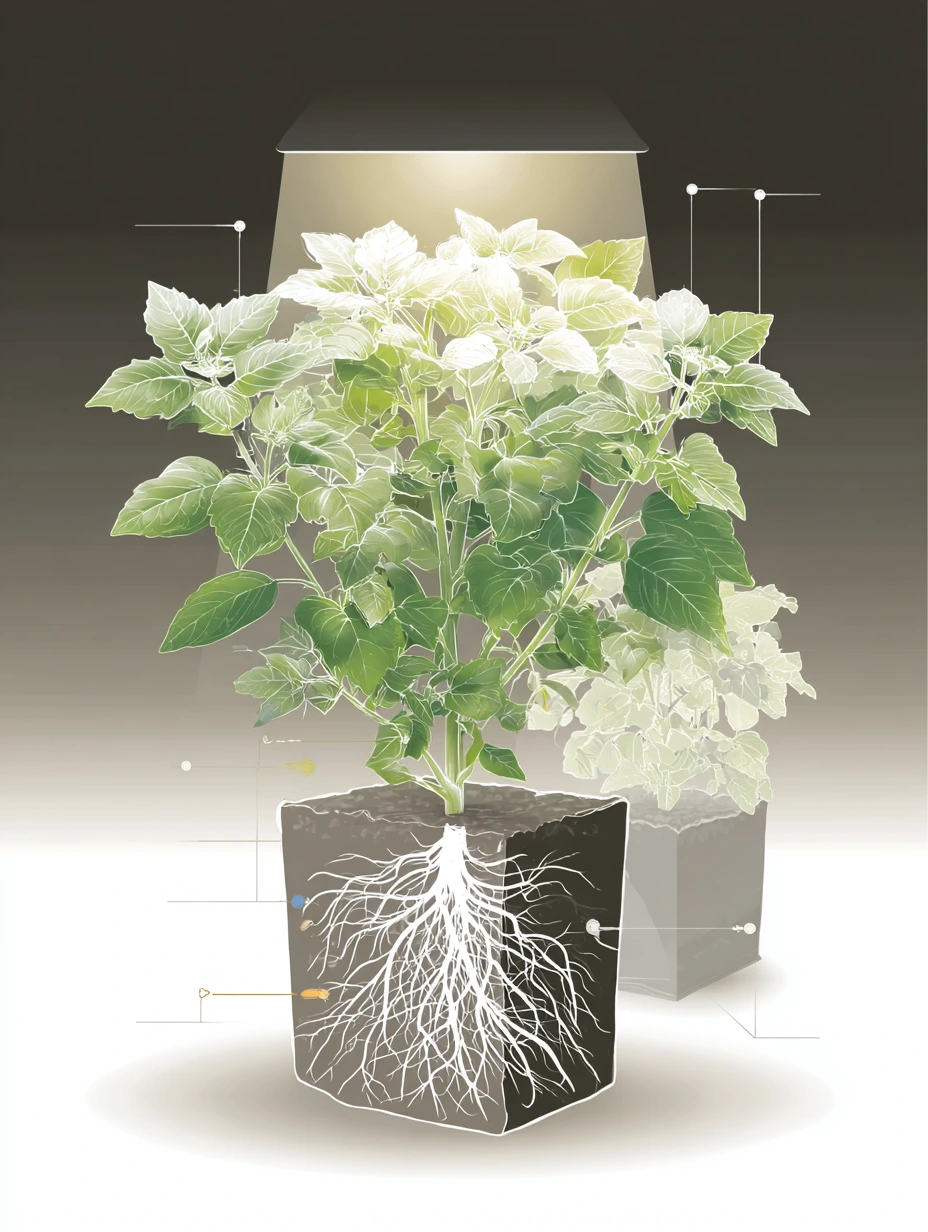
Everything discussed above—light duration, feeding frequency, PPFD manipulation, immune preparation, and root-bound signaling—only works as intended if the plant has a well-built root system to begin with.
A strong root system:
Buffers fluctuations in moisture and nutrients
Communicates efficiently with the canopy
Stores resources when uptake is high
Protects the plant when immune strength declines
Without healthy roots, extended light cycles simply cause stress instead of productivity.
Without root mass and structure, frequent feeding becomes instability.
Without proper root architecture, the plant cannot “ride the line of happiness”—it falls off it.
This is why root development is not optional when mothering or long-vegging cannabis. It is the foundation that allows all other techniques to function properly.
That said—root system construction is a deep rabbit hole.
Container choice, oxygen availability, dry-back strategy, microbial life, root pruning, and transplant timing each deserve their own focused discussion.
We’ll save that for another article.
The Big Takeaway
Under specific vegetative conditions—long light cycles, high metabolic activity, restricted root space—cannabis plants will eat far more than most people realize.
But the secret isn’t heavier feedings.
It’s frequency, timing, environmental balance—and roots that can support it.
When you:
Respect the relationship between light and demand
Use PPFD as a dial instead of a switch
Allow controlled dry-backs
Understand root and immune signaling
Build roots with intention
You stop chasing deficiencies and start working with the plant instead of against it.
That’s how you keep mothers healthy, productive, and truly sticky for the long haul.
— Sticky Genetics